
El Besòs i el Maresme. Barcelona
The neighbourhood of Besòs and Maresme is one of the 73 neighbourhoods of Barcelona. Located to the east of the municipal area of Barcelona, it is one of the furthest from the city centre.
Since it was inaugurated in 1961, its peripheral location has made it a point of arrival for immigration to the city.
Today the neighborhood is in full transformation. The first generation of residents has aged and the arrival of people from all over the world has drastically transformed the neighborhood’s social dynamics.
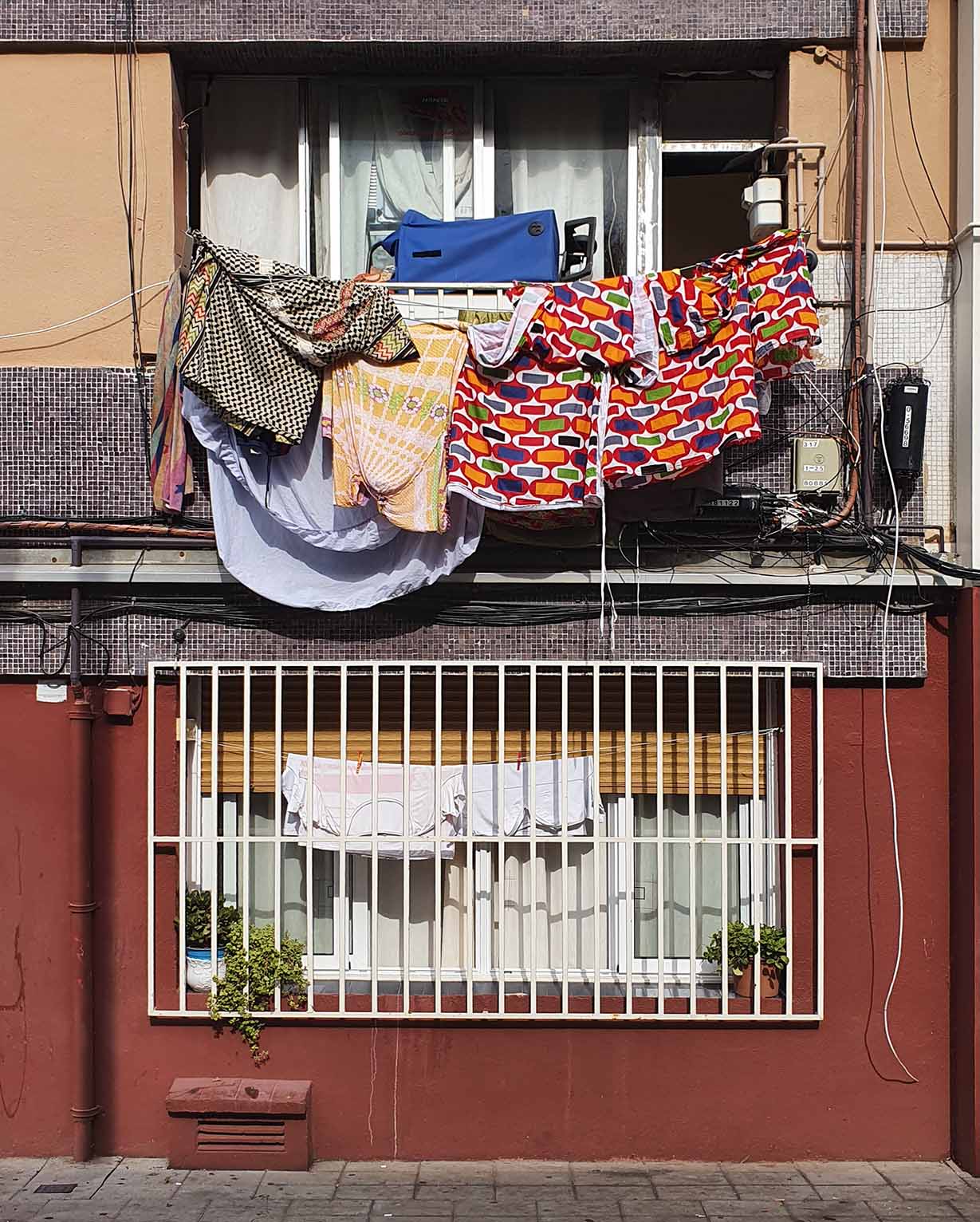
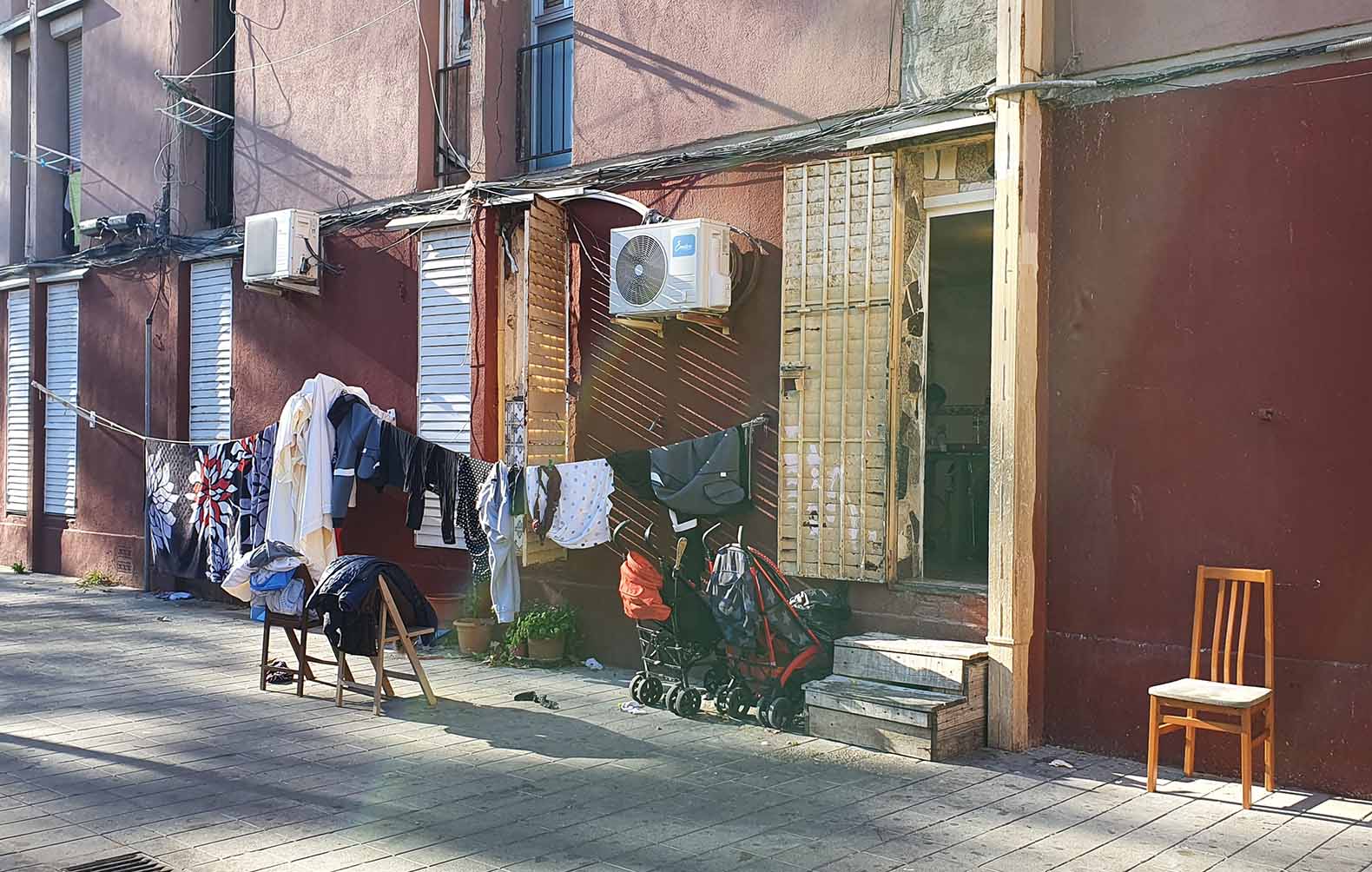
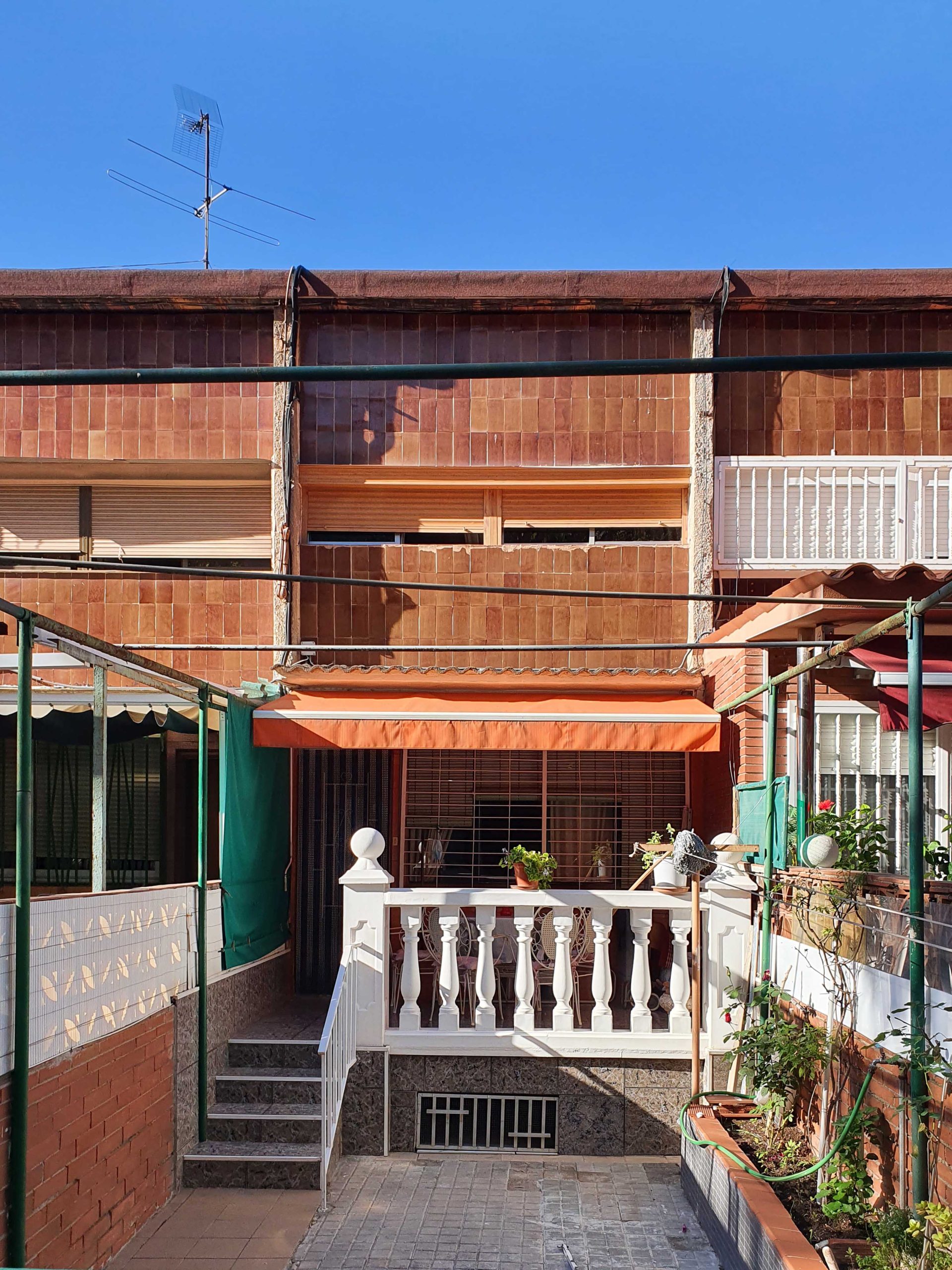

El Besòs and el Maresme were urbanized in a poor and late manner, and it is through neighbourhood demands that the structuring of the neighbourhood, the appearance of facilities and the rehabilitation of buildings in poor condition are achieved
The neighbourhood of Besòs was not born when its first buildings were built, in 1959, nor when the neighbourhood was inaugurated or when schools or markets were built. The collective memory of El Besòs was born much earlier, in slum areas occupied by migrants from all over Spain who had been accumulating since before 1900. In the Besòs we know today, the most important they are the Somorrostro, which had up to twenty thousand people, the Perona, the Camp de la Bota and Pekin. The city of Barcelona cannot offer enough housing to the growing population, which is accumulating on the outskirts of the city in unhealthy locations. Although from 1945 there is an effort to reduce the problem of barracks, it is not until well into the 1960s that most of these groups begin to disappear
In September 1959, work officially began on the South-West neighborhood of Besòs. A neighborhood that will be designed for more than twenty thousand people housed in around five thousand homes and that will occupy a total of 32.6 hectares. The area, which until then had been used mainly for agriculture, is being radically transformed and the new urbanization hides all traces of what was there until then.
The first phase takes place between 1959 and 1961 and involves the construction of 3,288 homes. The second is framed between 1963 and 1966, during which 1693 additional homes were built.
The last neighbours entered their houses in 1968, but the endowments in the neighbourhood were far from finished. Amenities and services didn’t arrive until several years later.
During the first years, the connection with the city was very poor. The metro was not inaugurated until 1982.
The presence of watercourses and various infrastructures like the Rambla Prim compromised the fabric of the neighbourhood, dividing it into two parts.
The facilities were non-existent. There was a lack of a municipal market and school, among other essential spaces for the community. They were all achieved thanks to the fight of the neighbours.
Houses were built with great urgency. That encouraged the use of aluminous cement which, in the long run, has been the cause of various structural and construction pathologies. This is still one of the main concerns and demands of the community of residents and the associations of neighbours of Besòs and Maresme.
Today, several buildings affected by aluminosis have been demolished and a generalized intervention is planned for the rest.
Nowadays, we can find a dual reality on el Besòs i Maresme. On the one hand, the neighbourhood is characterized by indicators that place it at the top of the list of the most vulnerable environments in the city of Barcelona (we are referring to income levels, employment rates, dominant age groups, to the various cultural origins, to the years of construction of the homes, among others).
On the other hand, El Besòs also lends itself to being known for the richness of its diversity, from the network of citizen initiatives that self-organize to promote projects to improve its environment. And so the neighbourhood itself moves in the ambivalence of those who want to leave and are passing through, and those who have taken root there and are fighting to improve it. There is a constant tension between forms of resistance and expressions of vulnerability.

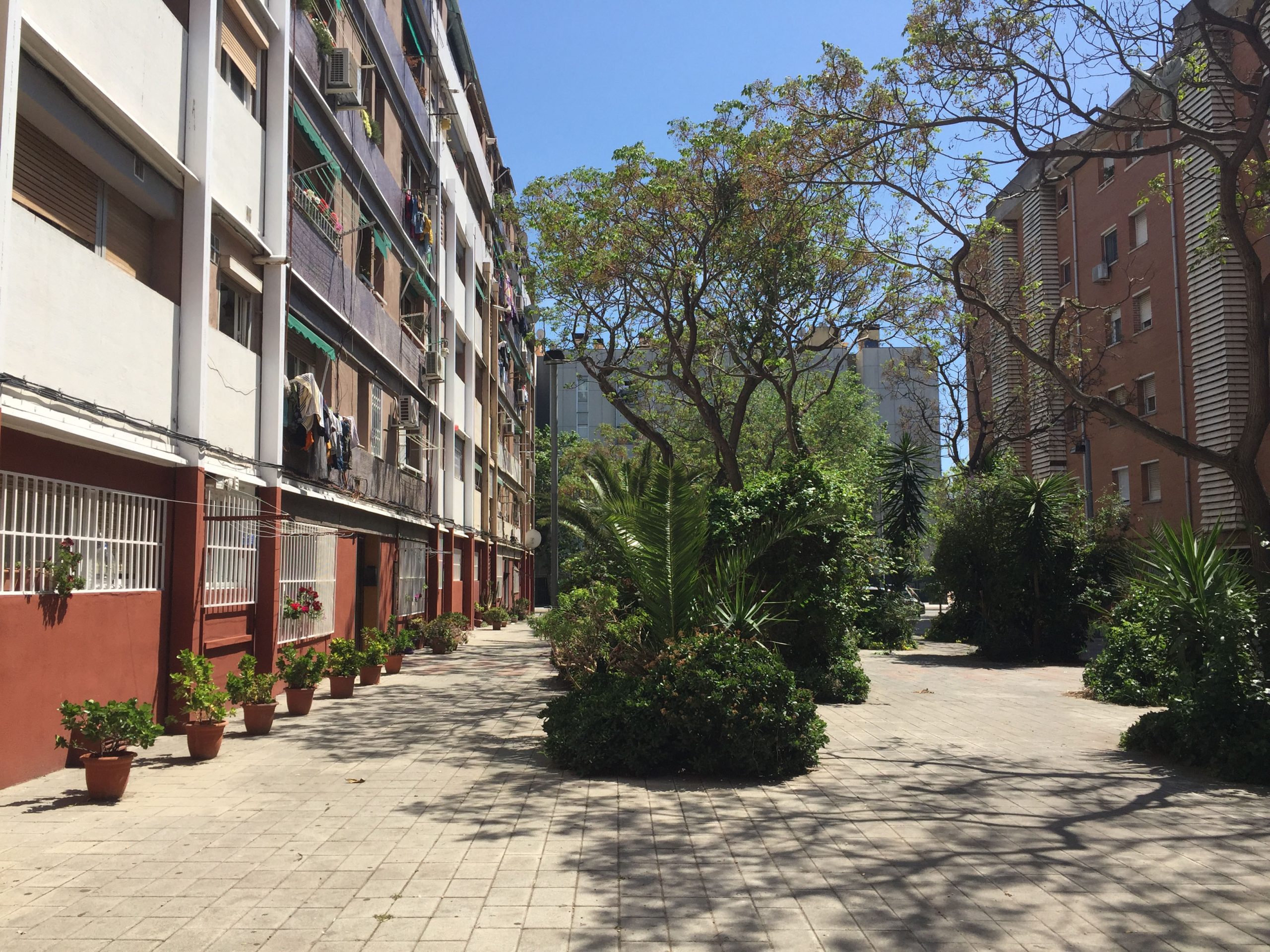
Besòs i Maresme neighbourhood
Meet the team from Barcelona
School of Architecture of Vallès. ETSAV-UPC BarcelonaTECH

Adolf Sotoca Garcia
ETSAV-UPC BarcelonaTECH
Project Coordinator
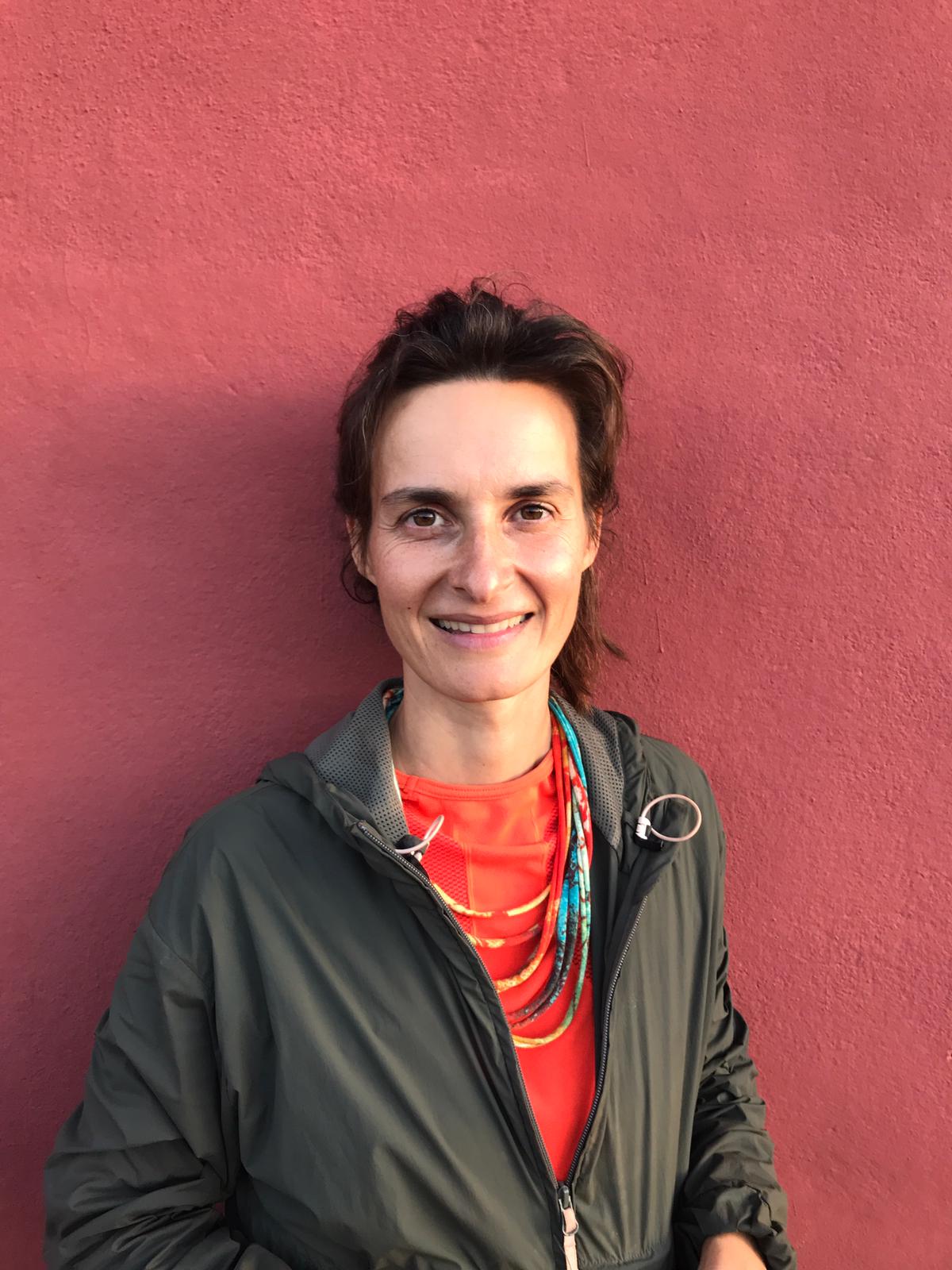
Marta Serra Permanyer
ETSAV-UPC BarcelonaTECH
Senior researcher
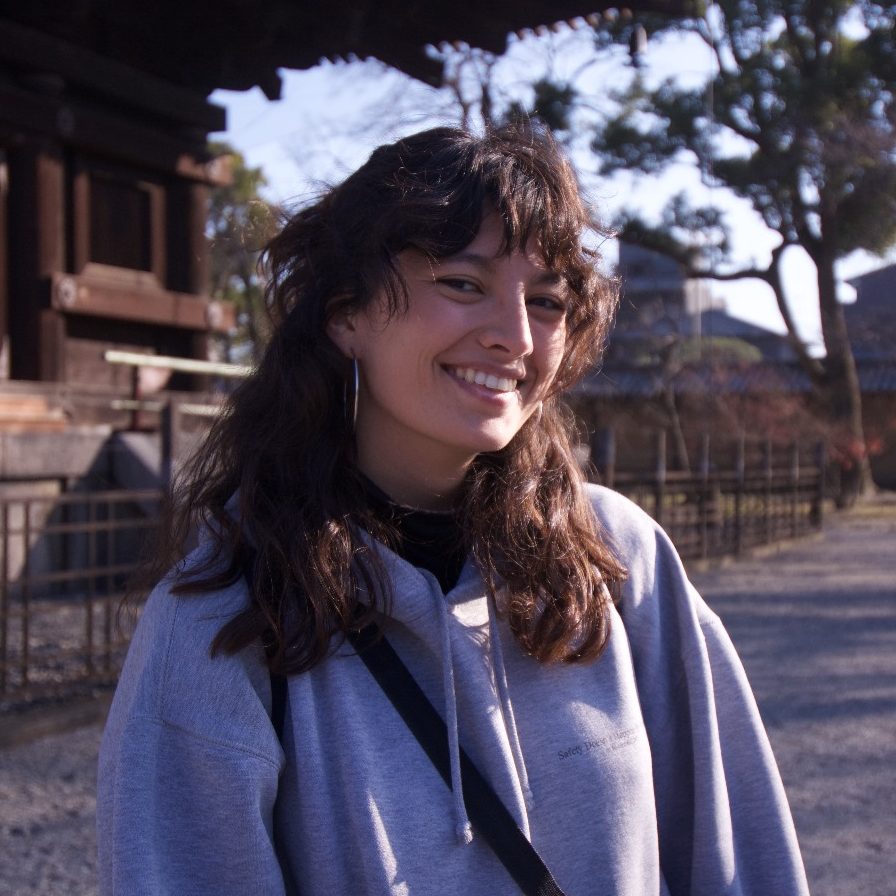
Araitz Villalba Rodet
ETSAV-UPC BarcelonaTECH
Junior researcher
MITO Collective
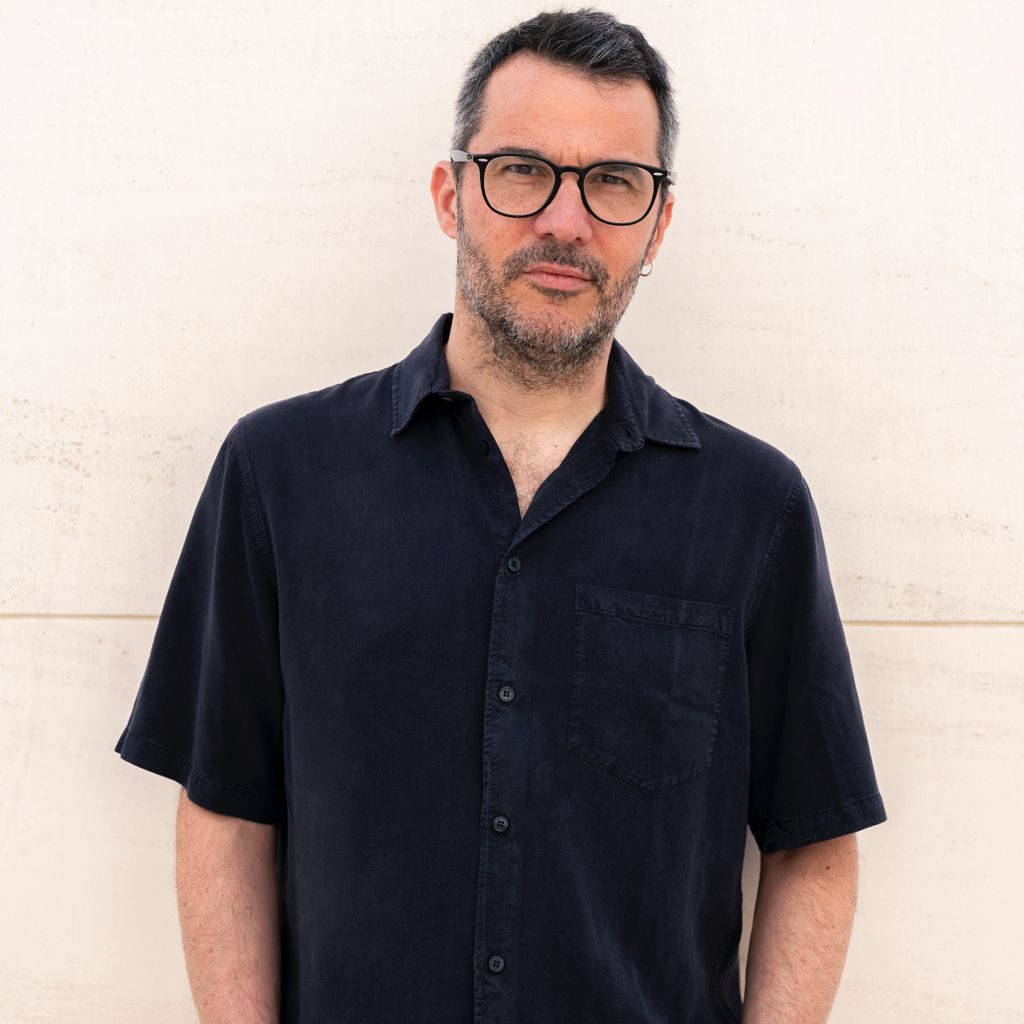
Quim Bonastra
MITO Collective
Artist, Senior Researcher

Joan Deulofeu
MITO Collective
Artist, Photographer

Enrique Baeza
MITO Collective
Artist, Performing Arts