
Crângași. Bucharest
Library opened in 1934, operated in existing houses around the city starting in 1940, and reaching several over fifty branches by 1962.

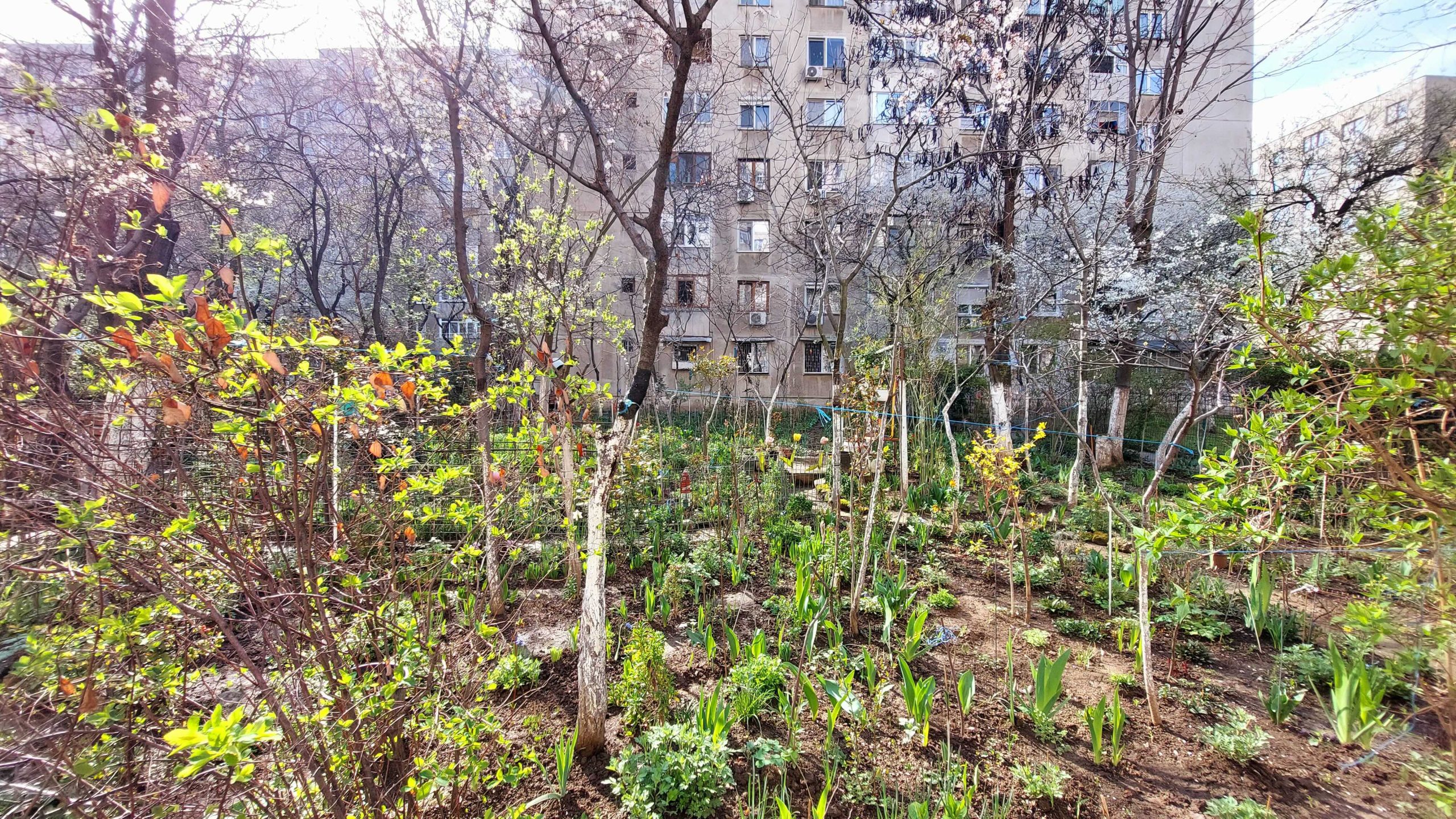
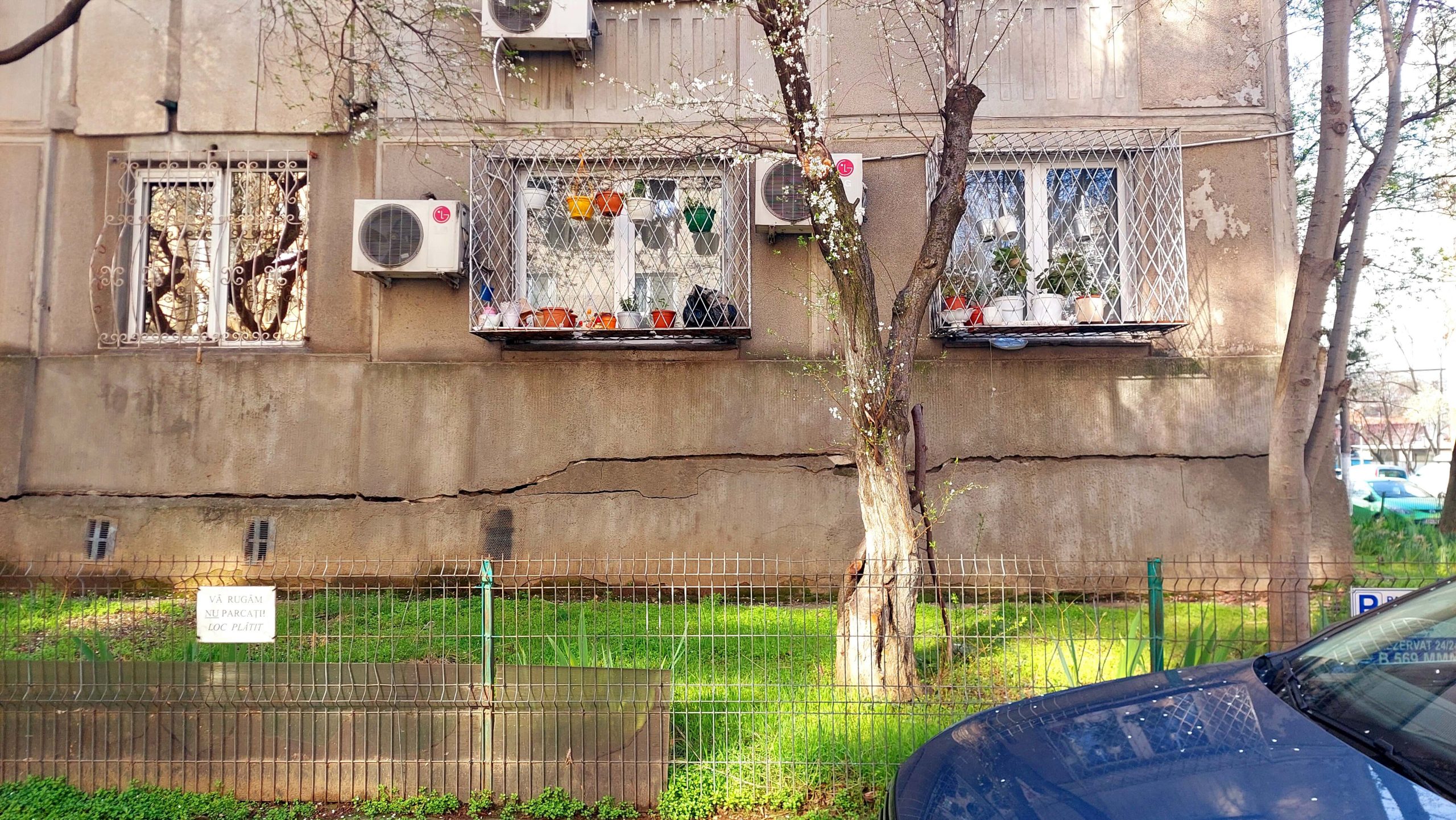
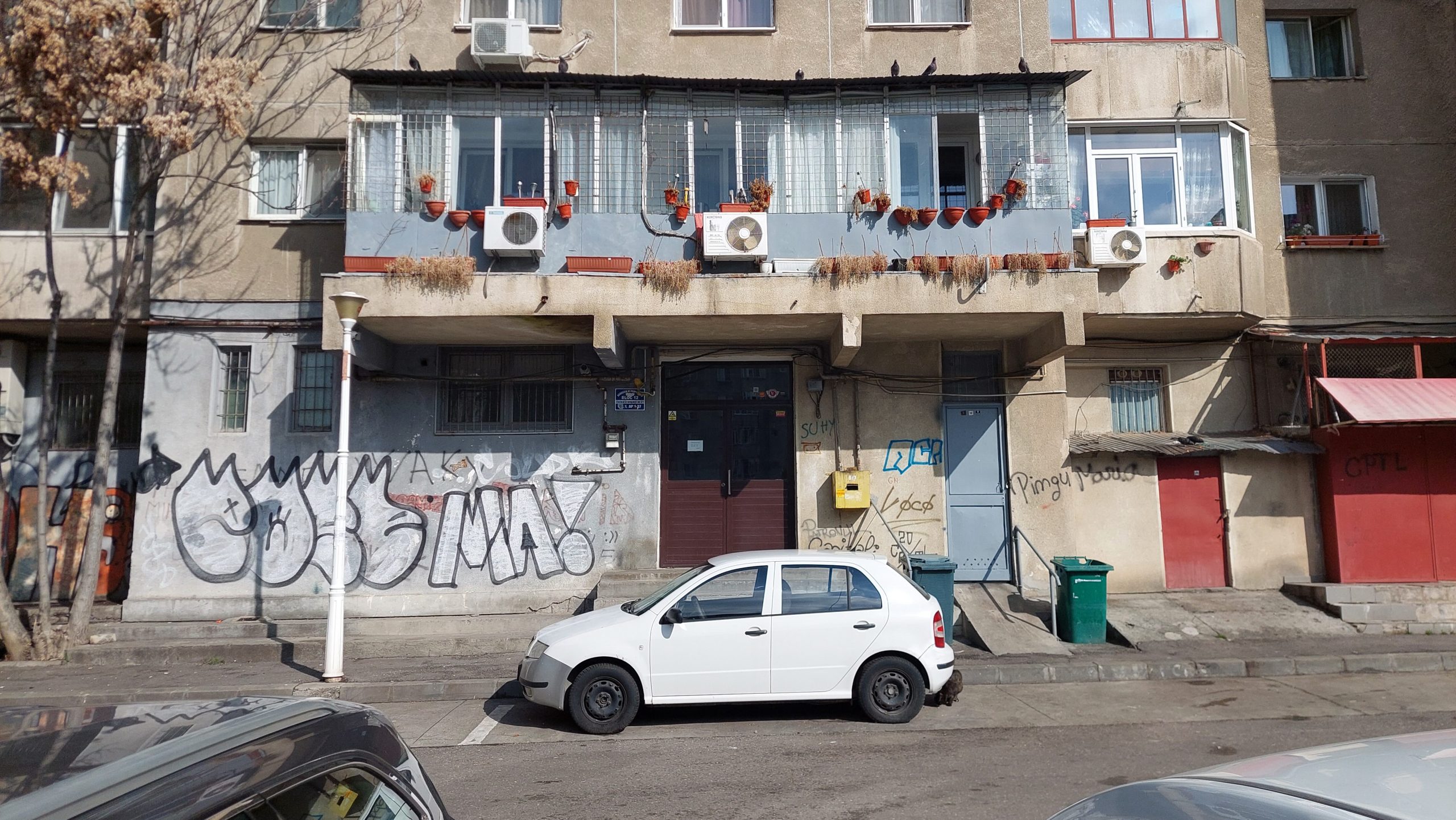
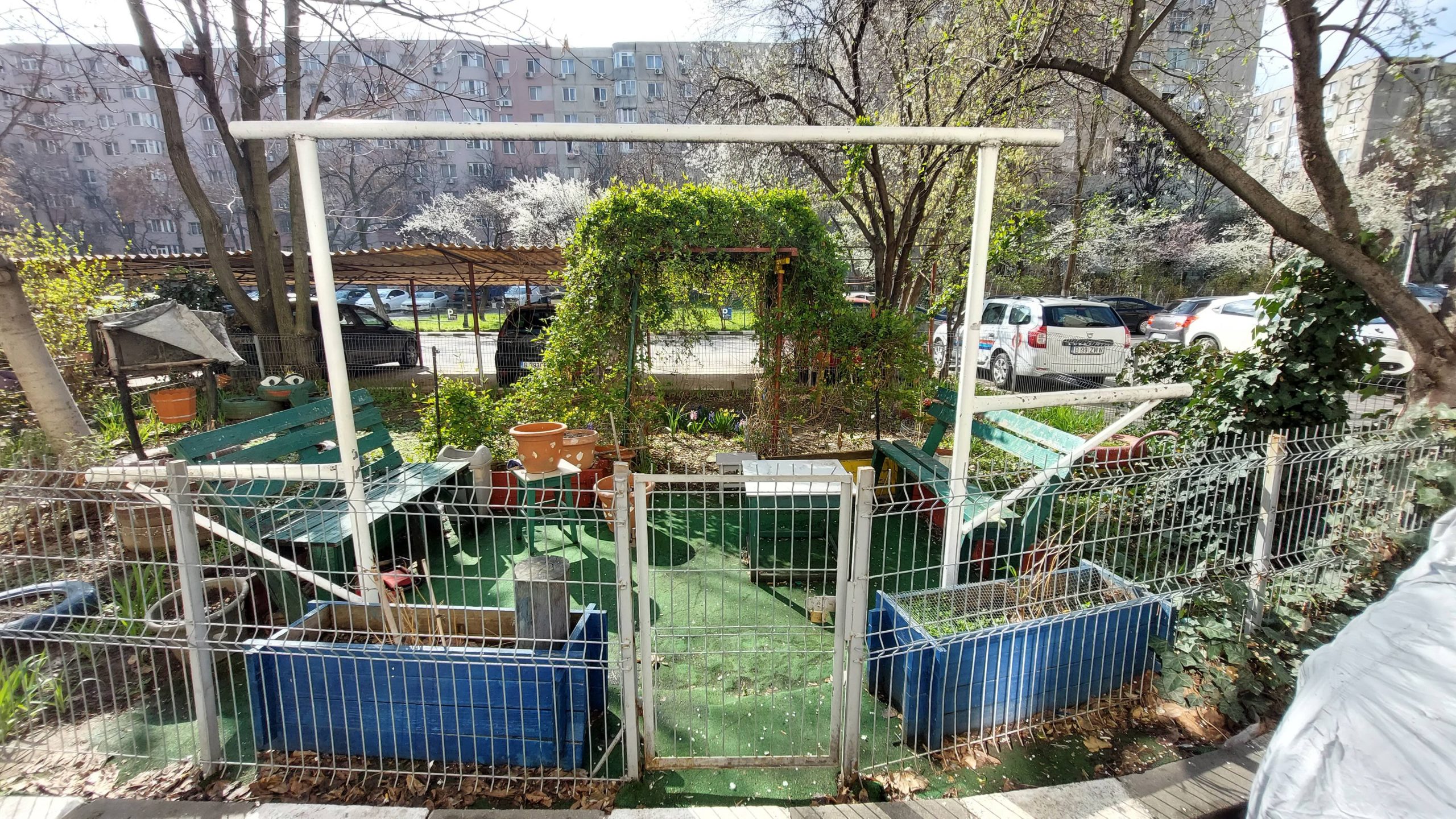
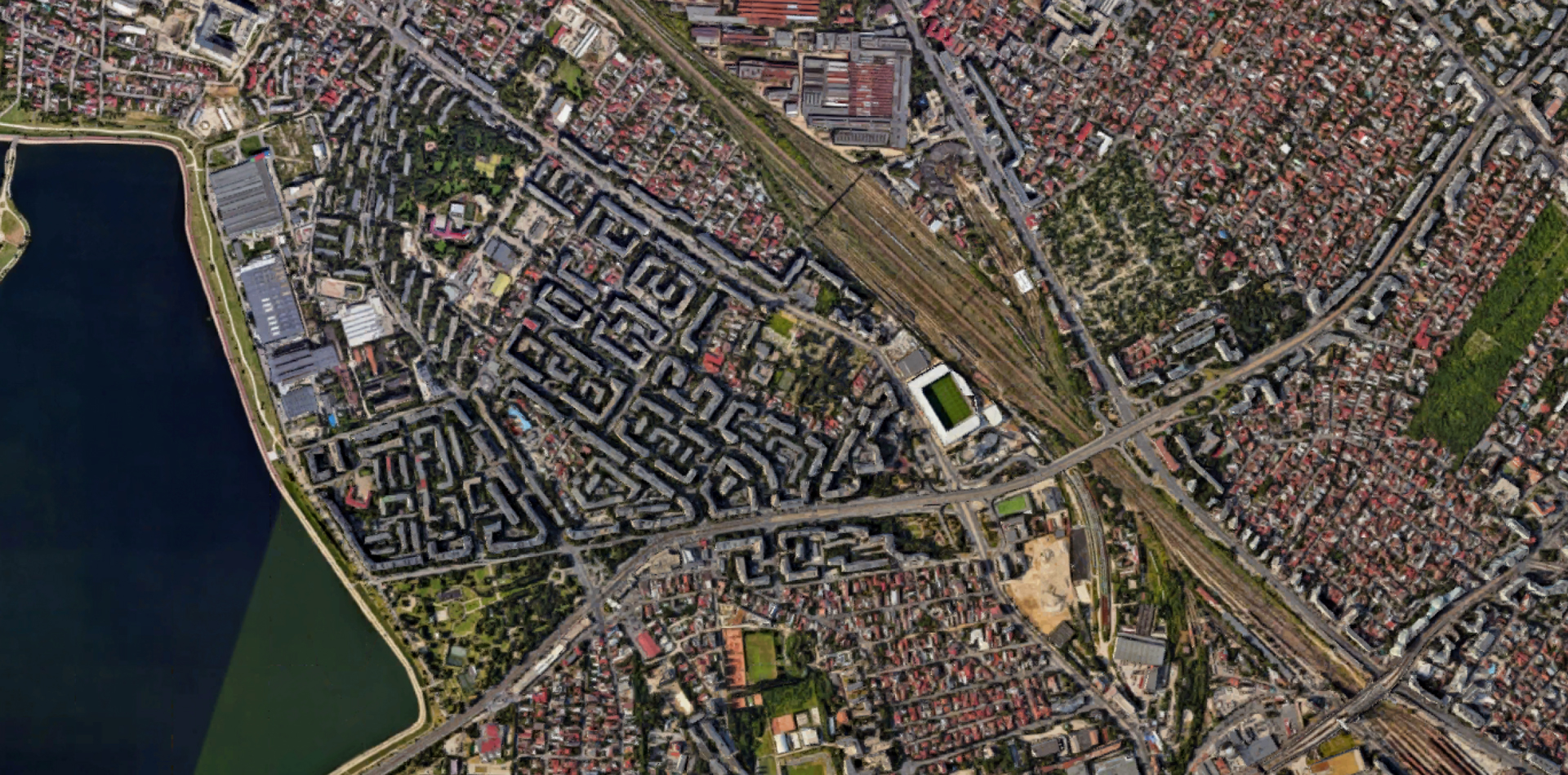
Characterised by rather small plots occupied by individual houses with a garden, the area was mainly inhabited by low income working class dwellers.
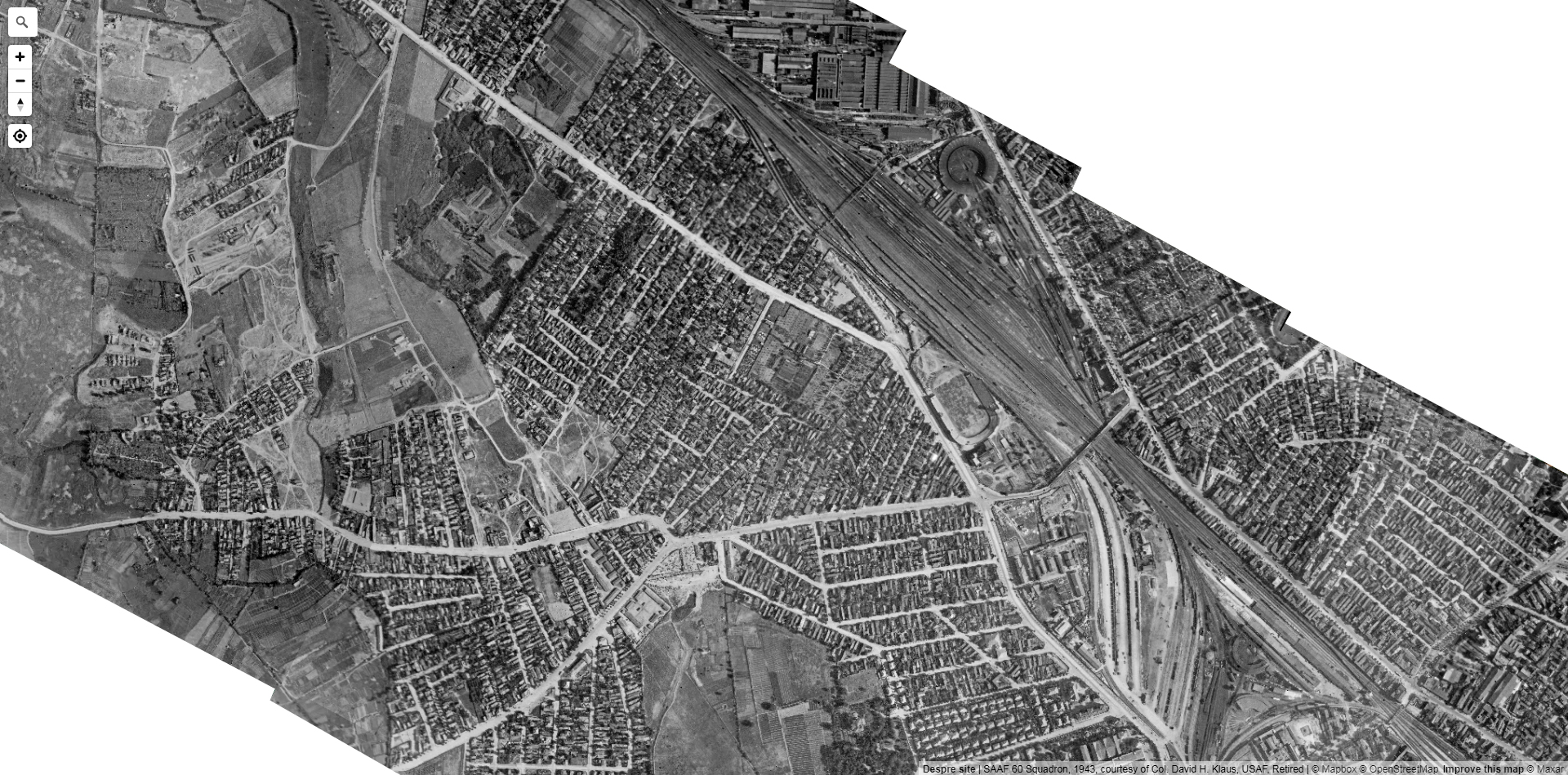
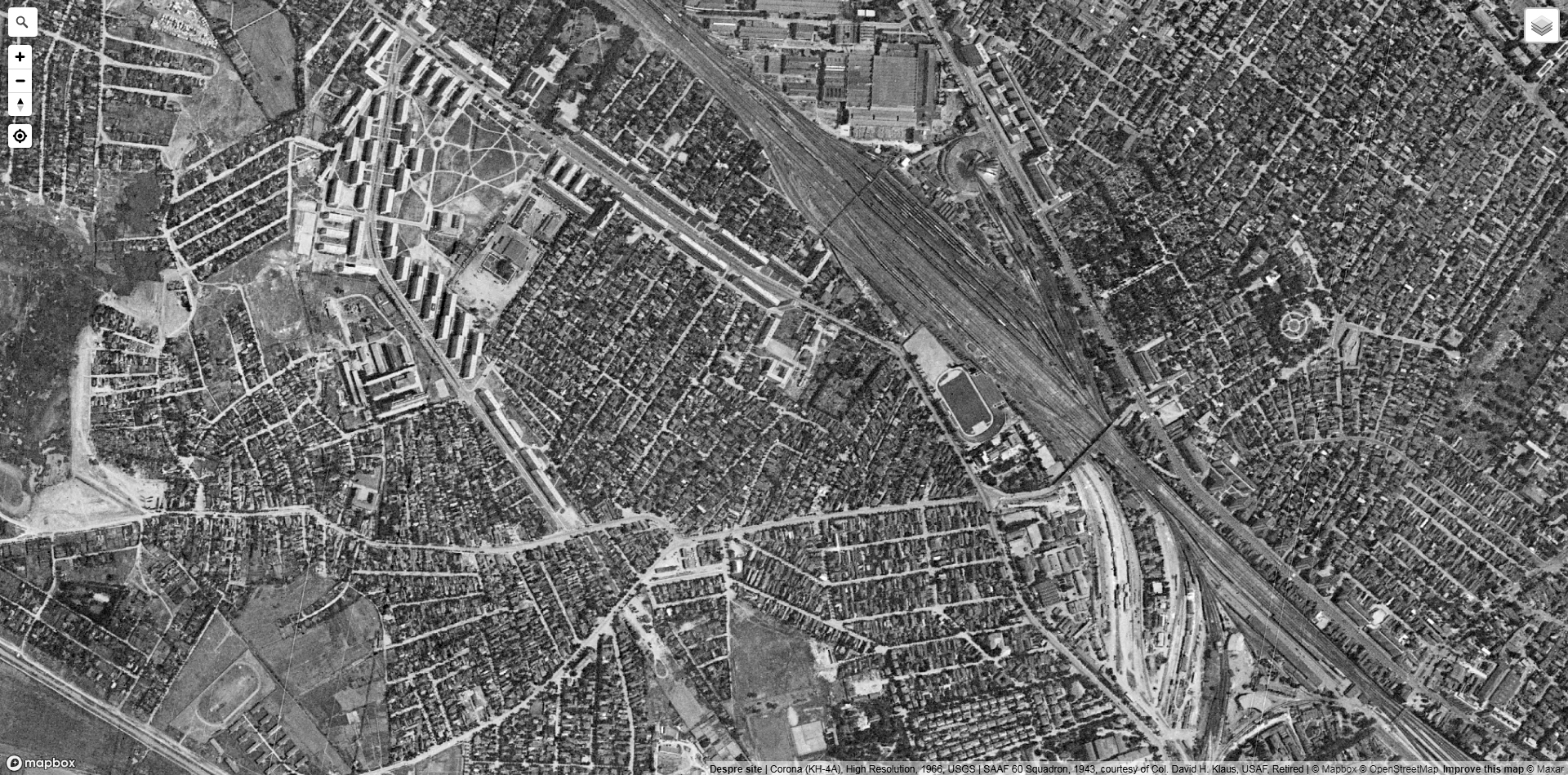
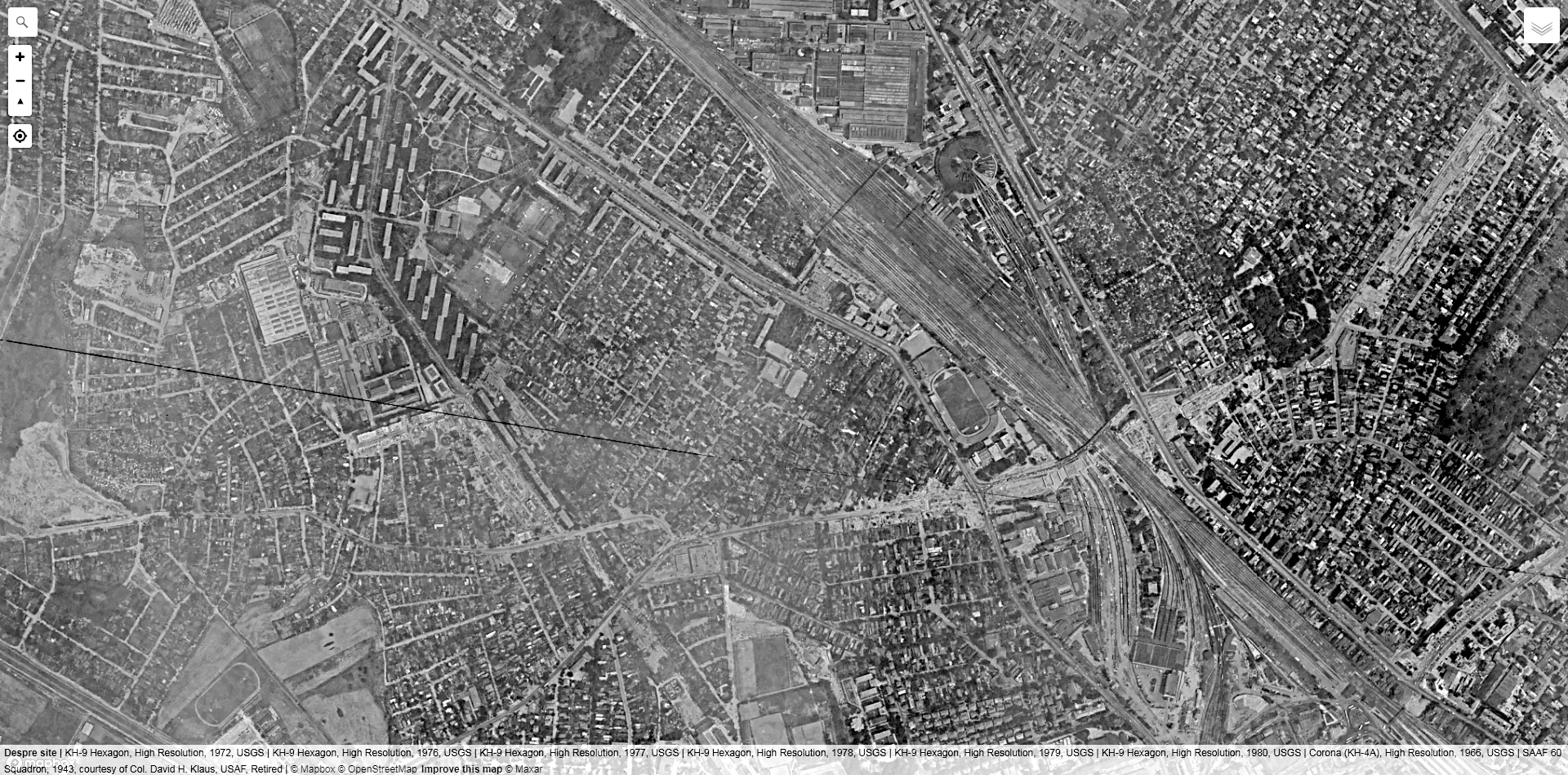
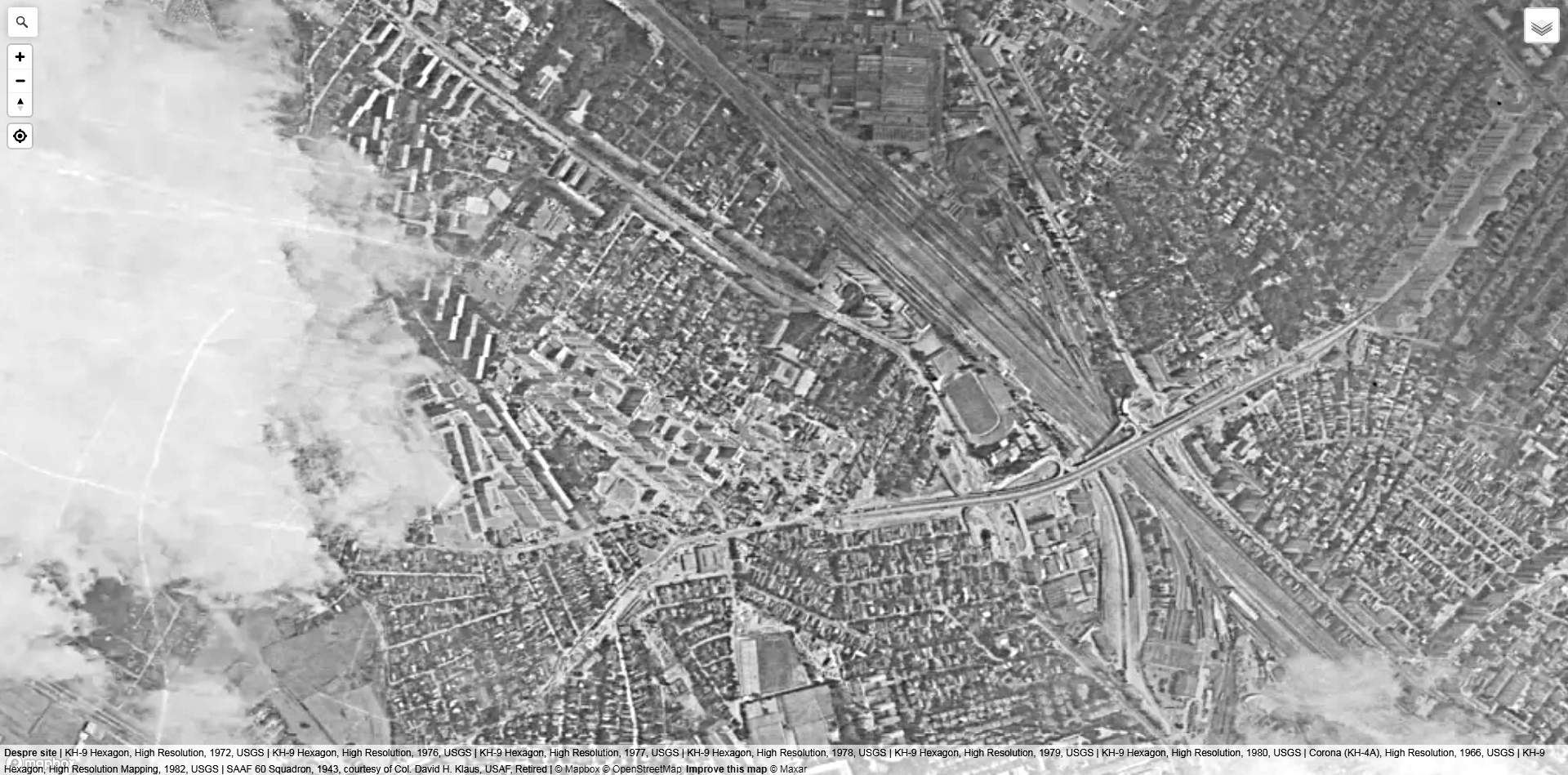
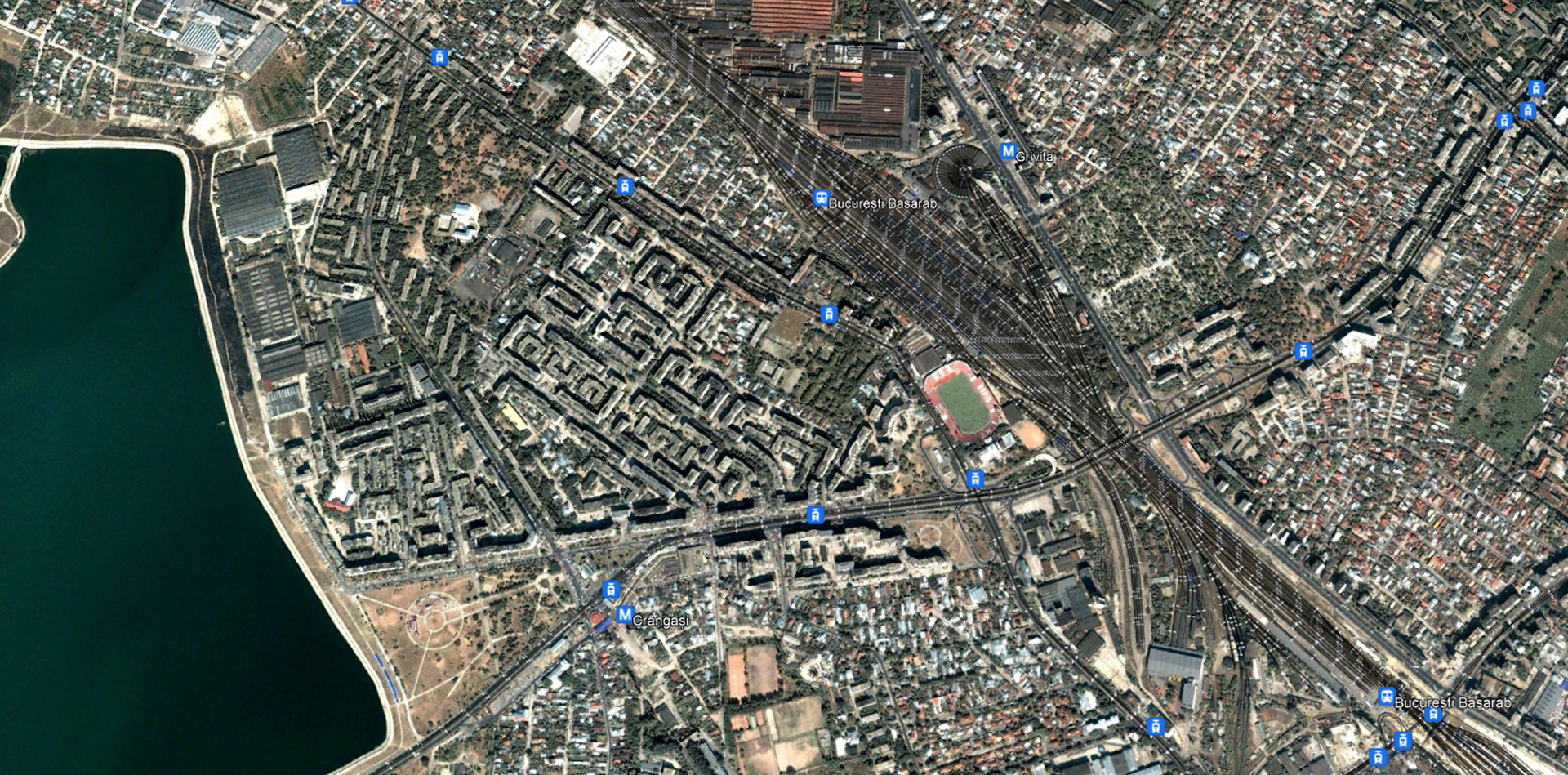
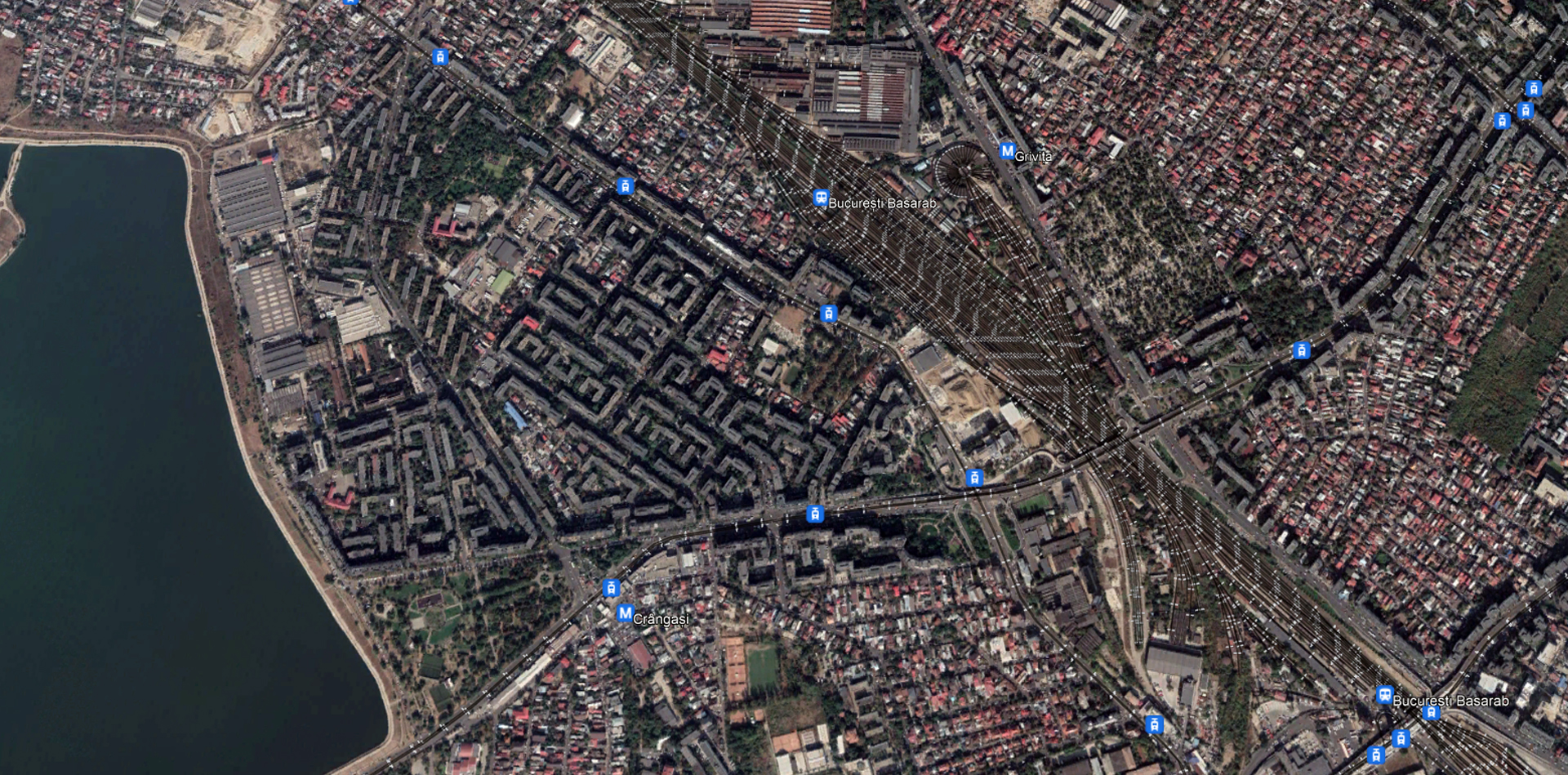
The Crângași district stretches in the north-west of Bucharest and is delimited by few clear boundaries, such as the train lines in the east and Lake Morii in the west, while partially overlapping with the neighbouring district, Giulești. A former village, Crângași was gradually included within the city limits around the start of the 20th century. Characterised by rather small plots occupied by individual houses with a garden, the area was mainly inhabited by low income working class dwellers. By the 1950s, the area was among the least densely built districts in the city, while the dwellings were not yet connected to the public utilities networks. However, the living practices articulated micro-communities of proximity, based on strong links between neighbours from the same street.
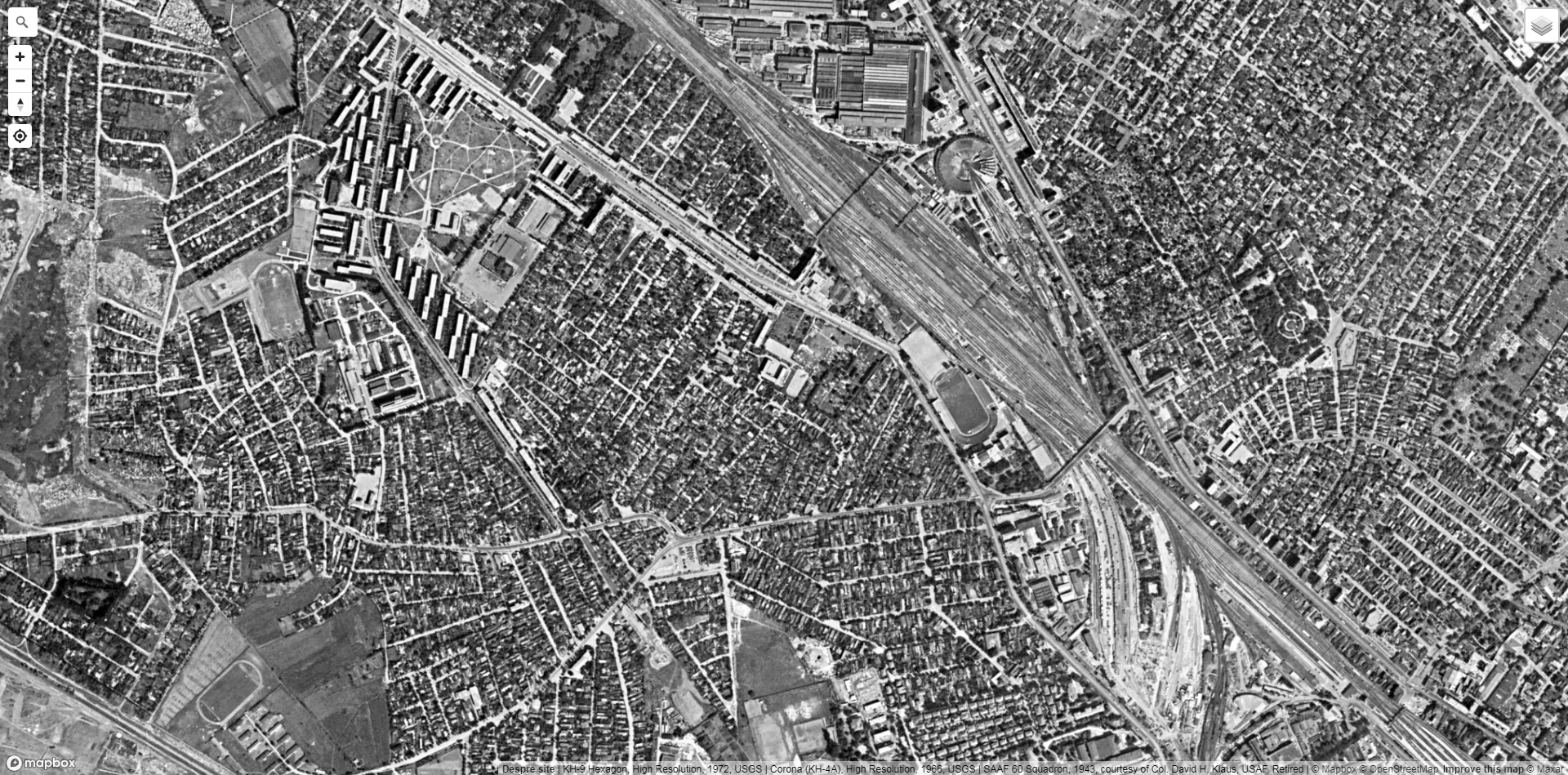
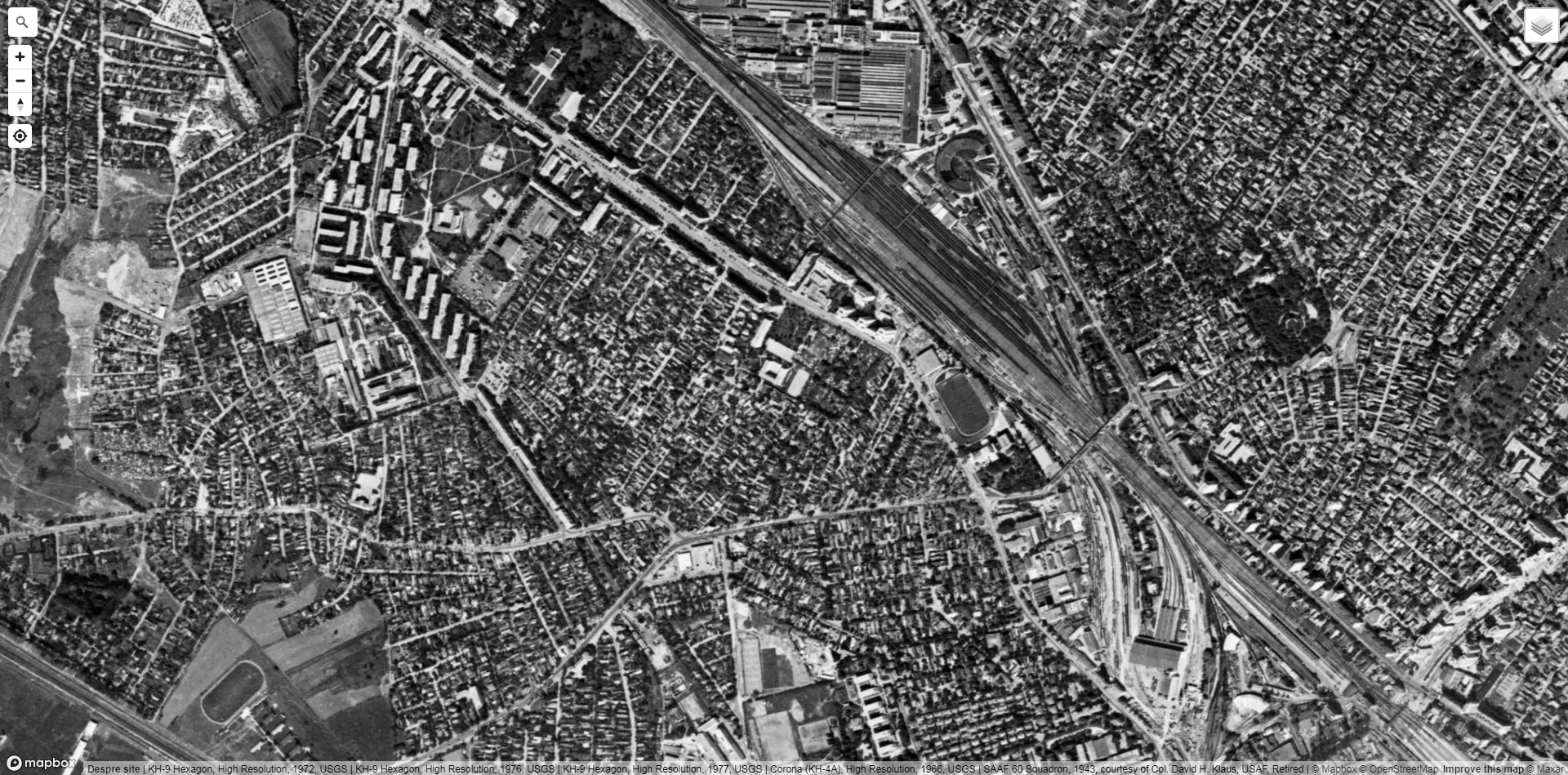
Starting with the 1960s, the materialisation of the “socialist city” paradigm through which Bucharest was transformed by the communist state also reaches Giulești-Crângași area. Centralised planning, apartments’ standardisation, prefabrication and unlimited access to resources, such as land, amounted to a generous proposition for collective living. Collective housing estates built during this period also came with socio-cultural equipment, such as schools, stores, markets, cinemas, libraries, public spaces, parks, sports fields, public transport and access to utilities. After the housing ensembles were constructed in several stages in the northern parts of the area, the massive systematisation of the 1980s had a strong impact on almost the entire physical and social landscape of the district. The construction of the Lake Morii dam assumed the demolition of large areas with individual households and their relocation into housing blocks of 4 and 10 stories high, thus partially keeping the community’s ties in place.
But at the same time, the area received a large influx of newcomers, while being connected to the metro network and thus becoming a much denser district. During the systematisation phase, large boulevards flanked by eight to ten-story high building blocks and the subway line were built, connecting the neighbourhood to other parts of the city and to large industrial areas where many of the inhabitants worked.
After 1989, following the state’s withdrawal from the urban development processes, massive privatisation and public infrastructure decay became the main features of the “post-socialist city”. Also pre-socialist legacy, but especially developed during state socialism, informal practices came in full light and took over the in-between spaces. Such as the gardening between the blocs, nurtured and even formally supported during late socialism, which became a local manifestation of care, amounting to a specific practice of neighbourhood. Nevertheless, these manifestations are constantly dismissed by the dominant “civilization” discourse as remains from the “communist past”, being discouraged, forbidden and even evicted by the local administrations.
In the context of today’s neoliberal narratives and practices of both private and public actors that are contributing to the social fragmentation, civic disempowerment and ecological crisis of contemporary Bucharest, these informal practices of living together that are still maintained within districts such as Crângași are valuable legacies. Moreover, such practices are enhacting a “quiet sustainability” (Smith & Jehlička, 2013), evidencing “latent” forms of commoning (Tsing, 2019), which stand as local versions of urban commons.
Titan-Balta Albă Neighbourhood
Meet the team from Bucharest
ATU – Association for Urban Transition and studioBASAR

Daniela Calciu
ATU – Association for Urban Transition
Senior researcher

Ilinca Pop
ATU – Association for Urban Transition
Junior researcher
Alex Axinte
studioBASAR
Senior researcher
Cristi Borcan
studioBASAR
Senior researcher