
Złotego Wieku. Krakow
A complex of four housing estates under the name Mistrzejowice, designed in 60s and 70s last century to accommodate 40,000 residents, is located in the north-eastern part of Cracow.
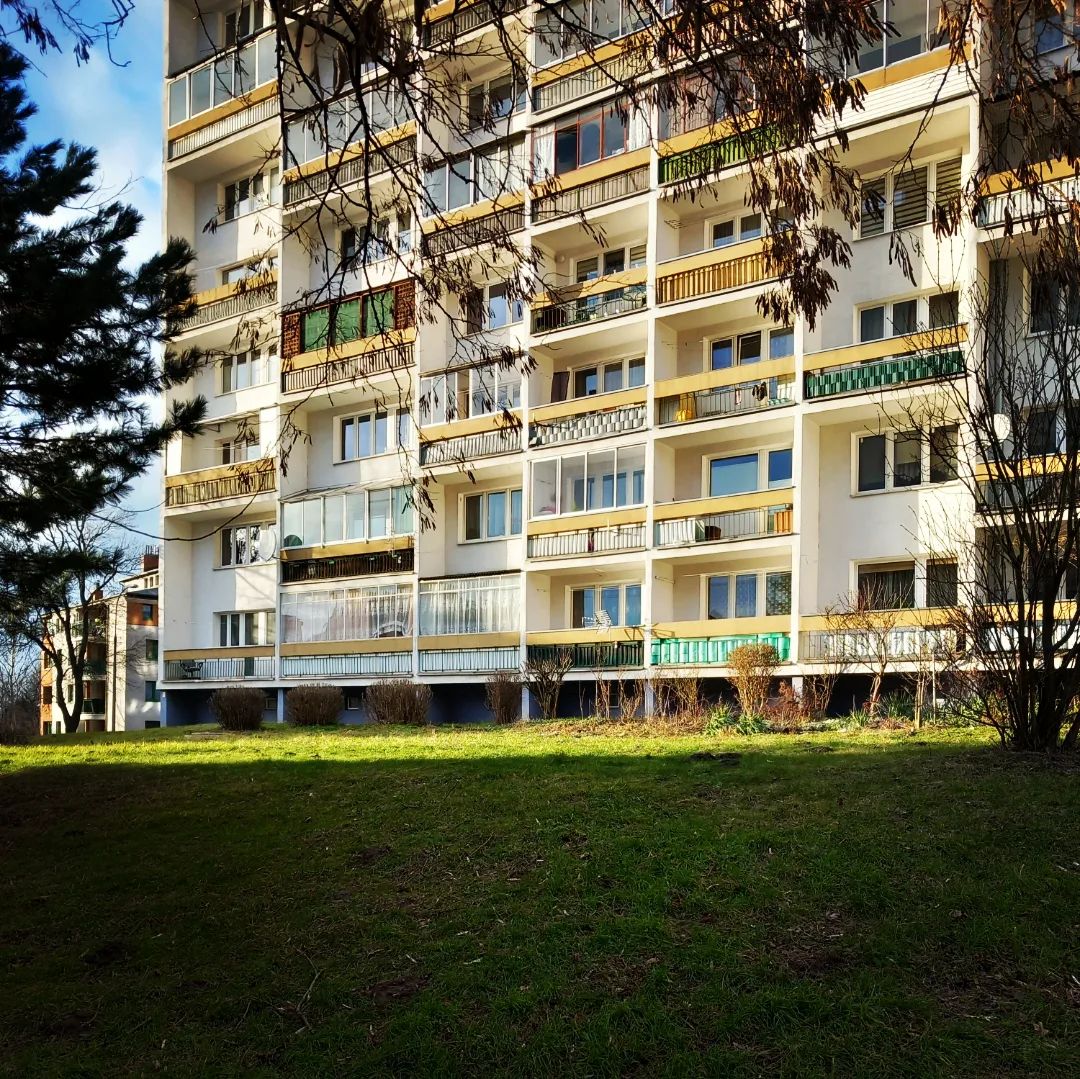
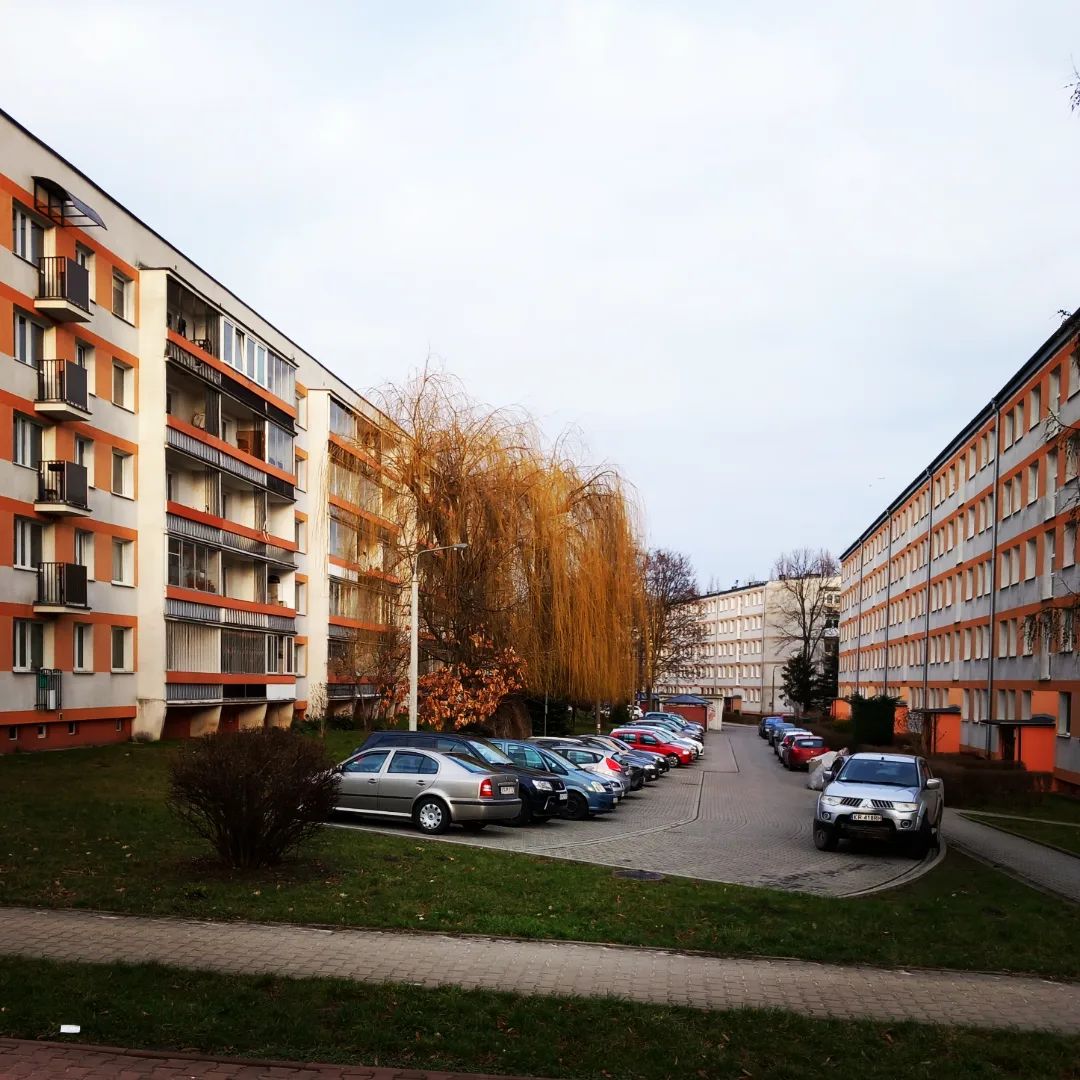
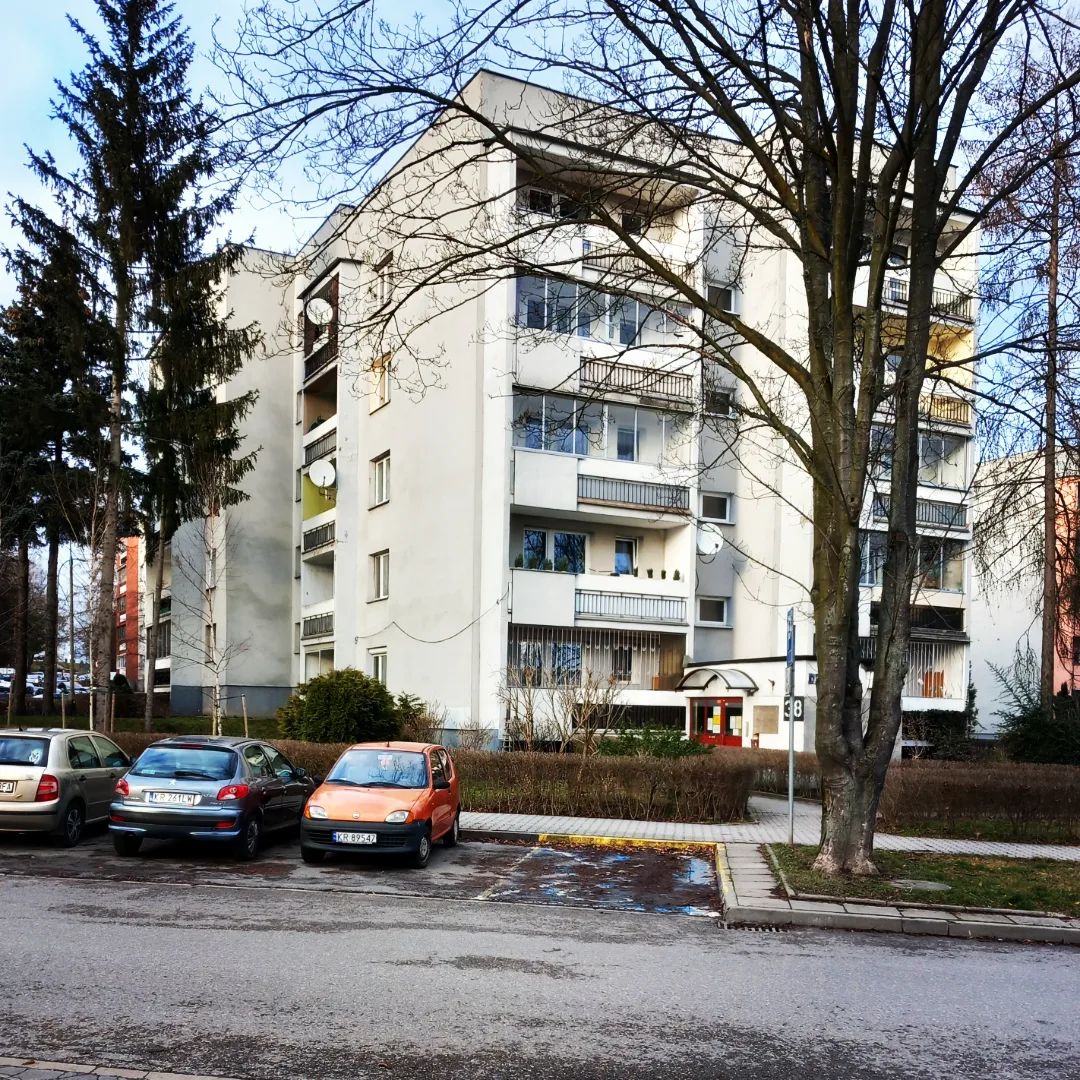
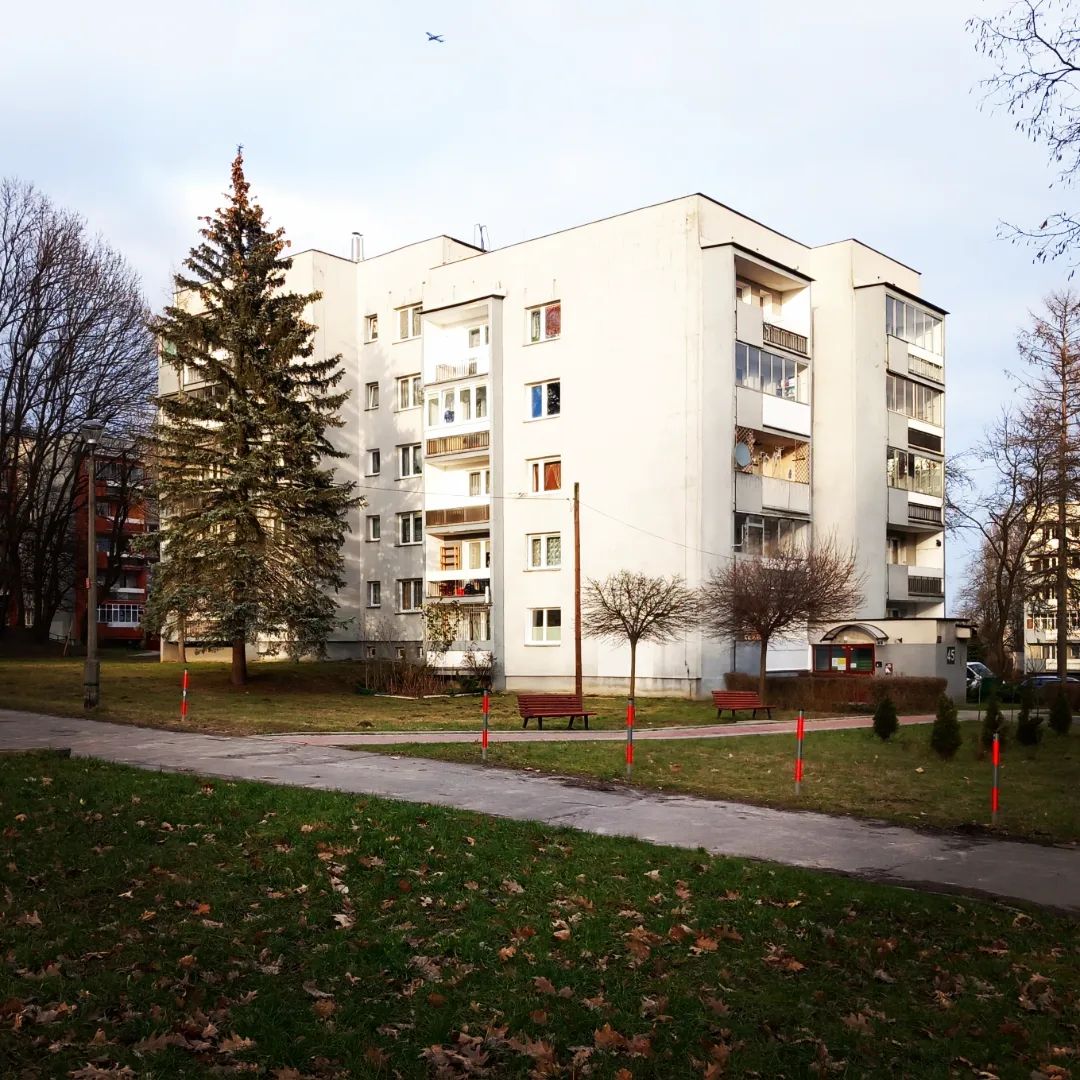
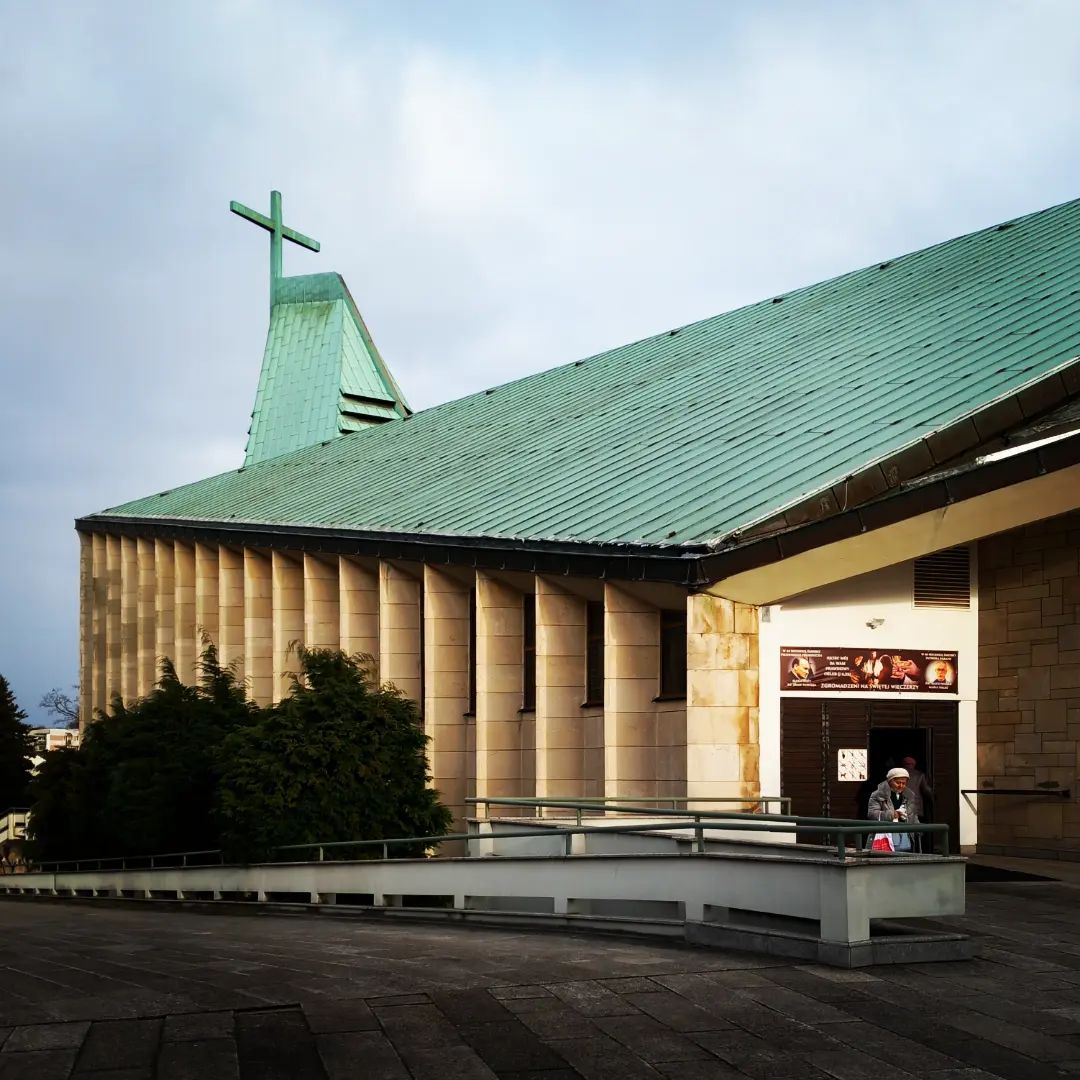
The design of Mistrzejowice housing estates by Witold Cęckiewicz was inspired by modernist ideas and the housing estates were to be built with the application of industrialised technology.
The project of the housing estates is regarded as one of the more consistent and original housing estates built in Cracow after 1956 and constitutes one of the most magnificent achievements of Polish urban planning at the turn of the 1960s. Its creation is related to the second expansion of the metallurgical plant in Nowa Huta, which since its construction in the 1950s, for long years became a strong stimulus for building housing estates mainly in this part of the city.
The design of Mistrzejowice housing estates by Witold Cęckiewicz and his team won in a competition organised in 1963. It was inspired by modernist ideas and the housing estates were to be built with the application of industrialised technology. The layout of Mistrzejowice, resembling a tree with protruding branches, was based on a division into four main zones – four housing estates with names corresponding to four seasons of the year: Spring (today: Tysiąclecia housing estate) and Summer (today: Złotego Wieku housing estate) built in 1967–73, as well as Autumn (today: Bohaterów Września housing estate) and Winter (today: Piastów housing estate) erected in 1974–78, with some additional buildings added in the 1980s. Such an arrangement was to provide appropriate spatial gradation and easy recognition and identification of the place and thus prevent monotonous, amorphous and unidentifiable space.
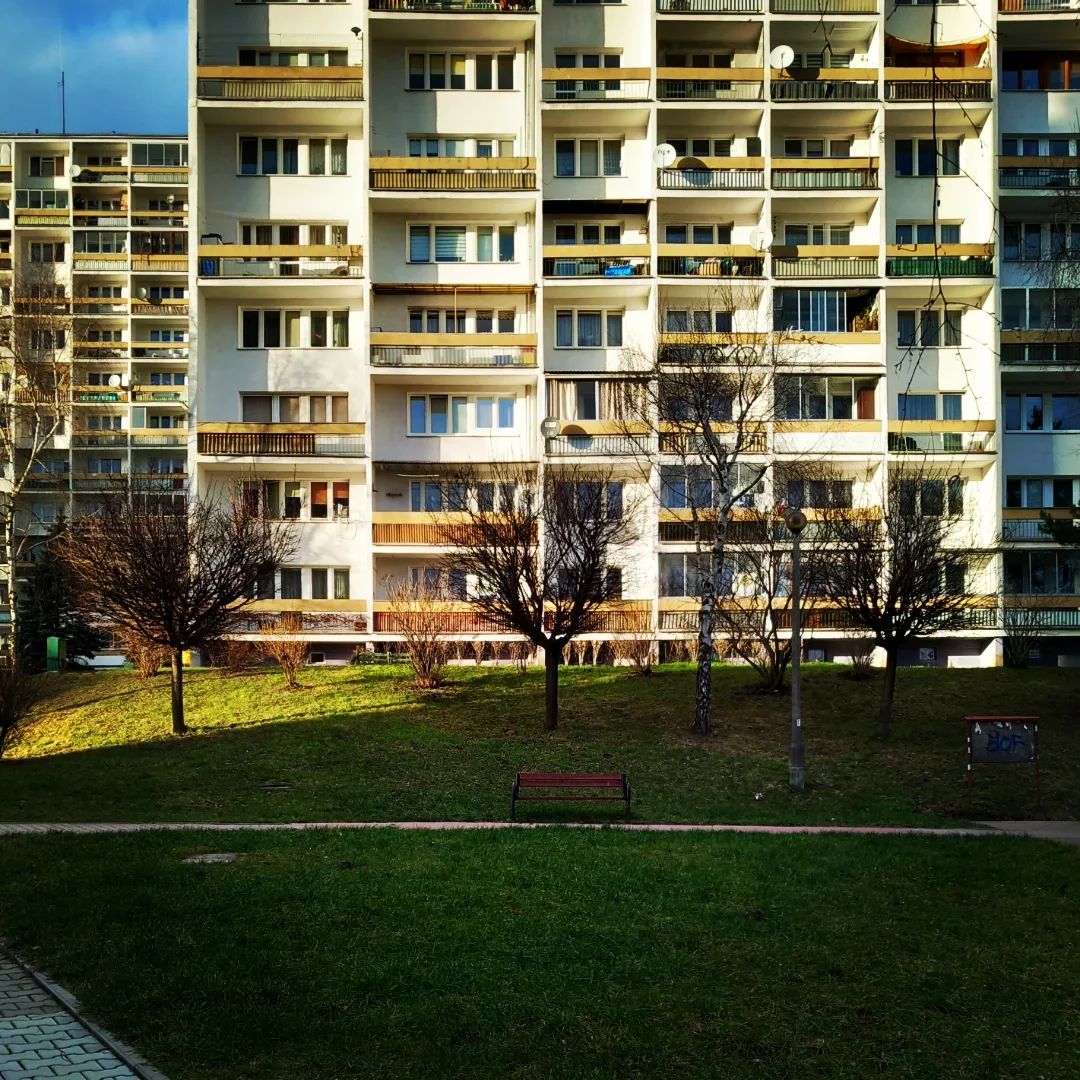
The complex of estates was designed in a formally rural area, to take advantage of topography, landscape and panoramic values. Five-floor buildings are arranged in a linear layout, creating belts imitating the levels of the hill and falling with the terrain. Point buildings of 5 to 12 floors are arranged in clusters, where the tallest buildings located at the top of the hill are supposed to give panoramic views, even toward Tatra mountains 150 km away. It is obvious at Złotego Wieku estate.
An integral element of the entire project was green areas, enveloping the housing estates and penetrating spaces inside and between them. Nowadays all 4 housing estates can be considered a ‘garden city’. The greenery surrounding the housing estates is manifested in Tysiąclecia Park and Planty Mistrzejowickie, as well as a belt of green areas in the north.
The latter are worth special attention as they belong to the territories of the former defensive ring of the Cracow Fortress and encompass structures of the former forts: Mistrzejowice Fort and Batowice Fort, surrounded by lush vegetation – which used to have a camouflage function. The Cracow Fortress Protection Plan Programme points to this area, north of the case study.
Nevertheless, it should be mentioned that the estates are facing a problem of aggressive investment pressure which leads to excessive densification with new buildings, devastating the urban layout and annexing valuable green areas. To a certain extent, this process has been hampered by the introduction of local development plans. Nowadays, such plans cover all four housing estates (Złotego Wieku housing estate along with the territory of the Batowice Fort since 2017; Tysiąclecia housing estate since 2020; Bohaterów Września and Piastów housing estates since 2022).
At the same time, in compliance with the local plan, the housing estates in Mistrzejowice – like most other housing estates in Cracow – are recognised as areas requiring rehabilitation measures and included in the so-called ‘areas of rehabilitation of block development’. The aim of the planned process of rehabilitation of housing estates is to restore the original functional, spatial and social values of the housing estates and to adapt them to contemporary civilization standards.
To conclude, despite some spatial and social problems faced by the Mistrzejowice housing estates, they still constitute a valuable living environment. Moreover, their functional and spatial arrangement with its sophisticated composition, should be widely treated as an urban achievement of Late Modernism urban planning. Therefore, their potential and values should be strengthened and protected. One of the steps taken in this direction was to recognize Mistrzejowice housing estates as ‘urban heritage structures’ in a document called ‘Spatial Model of the Structure of Cracow – Planning Perspective’.
Meet the team from Krakow
Faculty of Architecture, Cracow University of Technology

Mateusz Gyurkovich
Senior researcher

Tomasz Jeleński
Senior researcher

Damian Poklewski-Koziell
Senior researcher

Eliza Szczerek
Senior researcher

Monika Fronczak
Junior researcher

Krzysztof Klus
Junior researcher

Rafał Oleksik
Junior researcher

Filip Suchon
Senior researcher

Agnieszka Matusik
Senior researcher
Institute of Architecture Foundation

Dorota Jędruch
Senior researcher

Marta Karpińska
Senior researcher

Dorota Leśniak-Rychlak
Senior researcher

Michał Wiśniewski
Senior researcher
Złotego Wieku Neighbourhood